
Industry Insights: Where the Next Generation Wants to Work
FEDA and its members are investing in digital tools, culture and connectivity to build workplaces where young professionals can thrive.
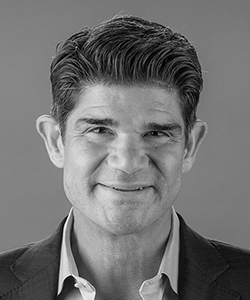
By Mark Rossi
Founder and CEO, Avanti Restaurant Solutions
Member, FEDA Future of Distribution Council
The makeup of our workforce is changing faster than ever, reshaping what it takes to attract and retain great people in our industry. At Avanti Restaurant Solutions, 52 percent of our employees are millennials and 14 percent are Gen Z. Together, those generations now make up two-thirds of our company — and I know other distributors and manufacturers in our industry are similarly getting younger. As we welcome new talent into our businesses, they’re resetting expectations for the modern workplace.
One of the biggest expectations among these generations is technological fluency in the workplace. Millennials experienced the rise of the internet, social media and smartphones, while Gen Z has never known a world without them. They want to work for organizations that are digitally integrated and forward-thinking. So we need to create environments these folks are drawn to, because they are the future.
Fortunately, that’s exactly where FEDA’s initiatives are leading the industry. Through the Future of Distribution Council (FDC), Emerging Dealers Council (EDC) and data portal initiatives, FEDA is driving progress in digital integration and data connectivity. These programs focus on creating uniform data standards, enabling real-time visibility into supply chains, and fostering deeper technology alignment between dealers and manufacturers. The goal is to make our businesses more efficient, our teams more productive and our industry more attractive to the next generation of talent.
The work happening today through FEDA’s committees and councils is laying the foundation for smooth integration across IT, operations and data management. We’re building the kind of digital infrastructure that millennial and Gen Z workers not only expect but will thrive within. These tools will help eliminate the inefficiencies that plague our industry, freeing our teams to focus on innovation, service and growth.
Enhancing our technological capabilities will help us recruit more young professionals into the industry, but that’s only half the equation. Once they join us, we need to create workplaces where they feel a sense of belonging and purpose. FEDA recognizes this too, and retention will become one of the focuses for the EDC in 2026.
As we look at ways to improve retention at our companies, I encourage FEDA members to consider the role their culture plays in creating long-term team members. Culture isn’t just a nice-to-have; it’s a strategic asset — the set of shared beliefs and behaviors that define who we are and how we work together. In a high-change environment with constant shifts, like the foodservice equipment and supplies industry, culture anchors decision-making and strengthens trust with partners and customers. As technology reshapes our operations and the workforce evolves, a strong culture ensures our people stay connected to our purpose.
As we adopt new tech, rethink supply chains and welcome new generations into the workforce, our culture is what will help us adapt without losing who we are. If we combine digital transformation with cultural clarity, our industry will be positioned not just to keep pace with our customers and the wider business world, but to lead. The next generation is ready to bring fresh ideas, digital fluency and a desire for impact. It’s up to us to meet them there and build the future together.