
Inside the Digital Supply Chain
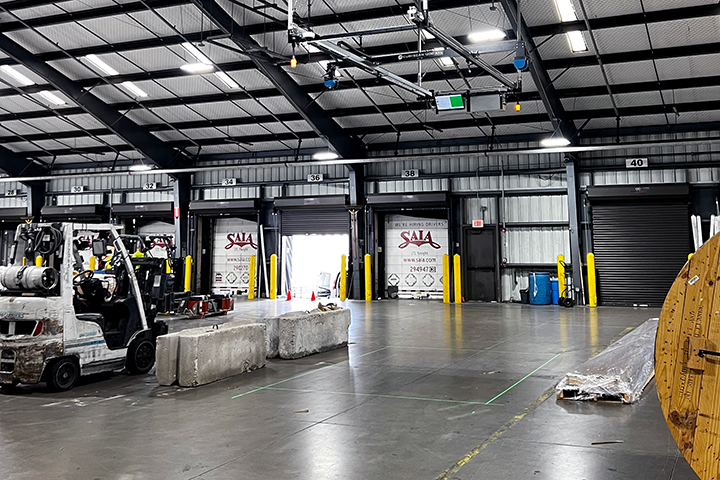
At the FEDA Tech Talks, Estes CIO Todd Florence will share how carriers are using AI, automation, and real-time data to improve transparency, address freight damage claims, and help create a more aligned supply chain.
Session InformationFEDA Tech Talks Sept. 16, 1:15 p.m. — 2:15 p.m. MT |
By Tim O'Connor
Communications Manager and Editor
As the FEDA Future of Distribution Council (FDC) works toward a more interconnected and aligned supply chain, one of the biggest questions facing distributors and manufacturers is how their systems and processes can better connect with the broader logistics network. The FEDA Tech Talks session at the 2026 FEDA Annual Executive Leadership Conference is designed to help attendees assess the current state of technology available to the industry and learn how other supply chain segments are maximizing their use of digital tools and data.

Todd Florence
While distributors and manufacturers involved in the FDC are driving the industry’s vision of a next-generation supply chain, achieving it will require buy-in from all the partners involved with moving equipment from the point of production to the end customer. This includes better coordination with one of the key sources of friction in the network: less-than-truckload (LTL) carriers. Through the Tech Talks, conference attendees will have an opportunity to hear directly from Todd Florence, chief information officer for Estes Express Lines, about how carriers are implementing technology solutions aimed at easing the most significant pain points between distributors and LTL carriers, including freight damage disputes and limited shipment visibility.
With more than 24,000 employees and over 300 terminals, Estes is the largest privately-owned LTL carrier in North America. The company is known for its technology-forward approach designed to help customers better connect to its platforms. Florence has spearheaded much of that digital transformation. During his six years with the company, he has led initiatives to leverage artificial intelligence and machine learning to improve planning, coordinate operations in real time, automate workflows, and enhance customer service.
Under Florence’s leadership, Estes has focused on improving shipment transparency and operational synchronization — priorities that closely mirror the work of the FDC. The council’s Transportation Management System Pilot Project and Subcommittee is assessing how TMS platforms can strengthen end-to-end shipment tracking, while the Product Data Standards & Integration Subcommittee is improving data quality and interoperability across business systems. At the same time, the Shipping, Packaging & Handling Standards (SPHS) Subcommittee is developing standards and best practices for packaging that will reduce freight damage.
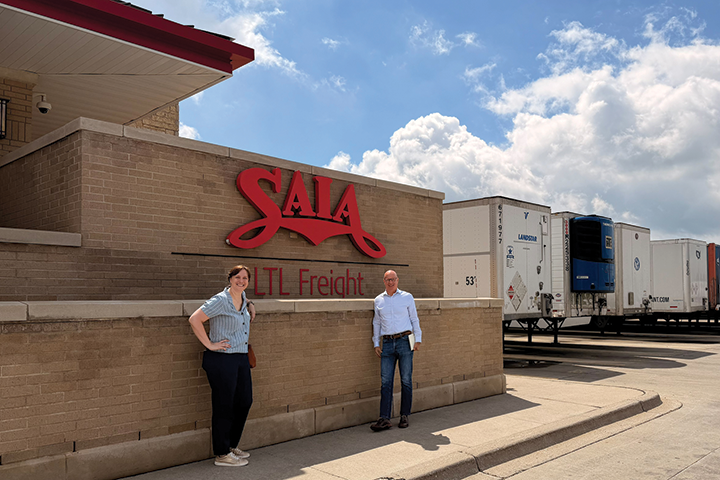
FEDA Director of Industry Programs and Professional Development Ashley Mueller and Consultant J Schneider visited a less-than-truckload carrier facility in June.
Findings From an LTL Site Visit
As Florence will highlight at the conference, these kinds of technology solutions are creating more opportunities for distributors and manufacturers to tap into carriers’ growing digital capabilities. FEDA staff got a firsthand look at modern carrier systems in action during a tour of an LTL freight terminal in the northern Chicago suburbs in June. The visit showed how the carrier uses computerized freight management systems and route optimization software to provide a real-time picture of where a package is in transit. Better routing helps eliminate some of the variables that can cause delays in transit, but the carrier also demonstrated how delivery sequencing and scheduling solutions are raising its on-time delivery rates and reducing the disruptions that can occur when equipment arrives out of sync with a project’s installation schedule.
Even when equipment hits its delivery window, many distributors and their customers have seen combi ovens, mixers, or stainless-steel prep tables arrive with damage sustained in transit that warrants a partial refund or, in the worst cases, a total replacement. Here too, the carrier visit showed how technology can help. Trucks were outfitted with interior trailer cameras that are used to document freight placement, package condition, and load configuration. When a damage claim is made, this digital footage provides valuable evidence for quality assurance and claims investigations by revealing how and when the damage occurred. This helps support the validity of the claim and hold carriers accountable — two of the major challenges the SPHS Subcommittee is working to solve.
Although the tour emphasized the essential role technology plays in developing a modern supply chain, it revealed some limitations as well. Even companies that possess the most complete and accurate data are still highly dependent on people, training, and process controls to turn those efficiencies into operational results. The FDC is addressing the people end of the equation through its development of standards for handling various types of equipment, but Tech Talks attendees will also hear how Florence views the intersection of employees and digital tools.
These findings show that building a better connected and responsive supply chain will require more than technology alone. It will demand collaboration, shared standards, and a clear understanding of how partners, processes, and digital tools work together to create value. Through the perspective of one of North America’s largest carriers, Florence offers conferencegoers a unique chance to learn how a key part of the supply chain is approaching these challenges and where opportunities for greater alignment exist. Distributors and manufacturers interested in the future of the industry will not want to miss this year’s FEDA Tech Talks session.